Different disease courses
Diseases can present and progress differently. We investigate the role played by sex, gender and other factors, and how this knowledge can contribute to better diagnosis and care.

RESEARCH NETWORK 2025–2029
How sex and gender affect diagnosis, treatment and care – insights into current research from eight joint projects.
Diseases can present and progress differently. We investigate the role played by sex, gender and other factors, and how this knowledge can contribute to better diagnosis and care.
People are different, and research should take this diversity into account. We combine scientific expertise with data, design and societal perspectives to advance gender-sensitive research and innovative solutions.
GenDiMedNet currently connects 40 organisations across Germany, 30 advisory board members, and over 100 researchers, developers and other participants with numerous partners from science, medicine, technology, politics and society.
Gender-sensitive medicine takes into account biological, social and other gender-related factors that can influence health, illness, diagnosis, therapy and care.
Many diseases progress differently in women and men. Gender-sensitive diagnostics can help make diagnoses more precise and target effective treatments more specifically.
In many areas of medical research, women and certain other groups were not adequately considered for a long time. The network develops methods, tools and recommendations for gender-sensitive clinical practice.
The research results feed into policy recommendations and help make healthcare more equitable at a structural level.
Medicine, social sciences, computer science and design work together to further develop gender-sensitive methods and digital tools.
GenDiMedNet is a cooperative joint project of Bielefeld University, the University of Greifswald, Charité – Universitätsmedizin Berlin and the Bernhard Nocht Institute for Tropical Medicine in Hamburg, initiated by the Federal Ministry of Research, Technology and Space. As an overarching network, it serves as the organisational and content framework for further joint projects under the funding guideline Interactive Technologies for Gender-Specific Health (GeGe), including their accompanying scientific research.
As the Network Centre, we accompany and study eight joint projects in which interactive technologies are being developed. We connect their different perspectives with expertise in data, design and science communication, and make experiences and findings usable for the entire consortium and beyond.
To this end, approaches from gender-differentiated health research are combined with expertise in data collection, data management and interoperability, and linked with one another through internal and external knowledge communication.
In addition to interdisciplinary collaboration with experts, the network develops theory-based and participatory strategies for implementing gender-sensitive perspectives in digital medicine. This includes the development and evaluation of evidence-based guidelines for the science communication of gender-sensitive research projects, as well as the drafting of a strategic roadmap for future implementation processes.
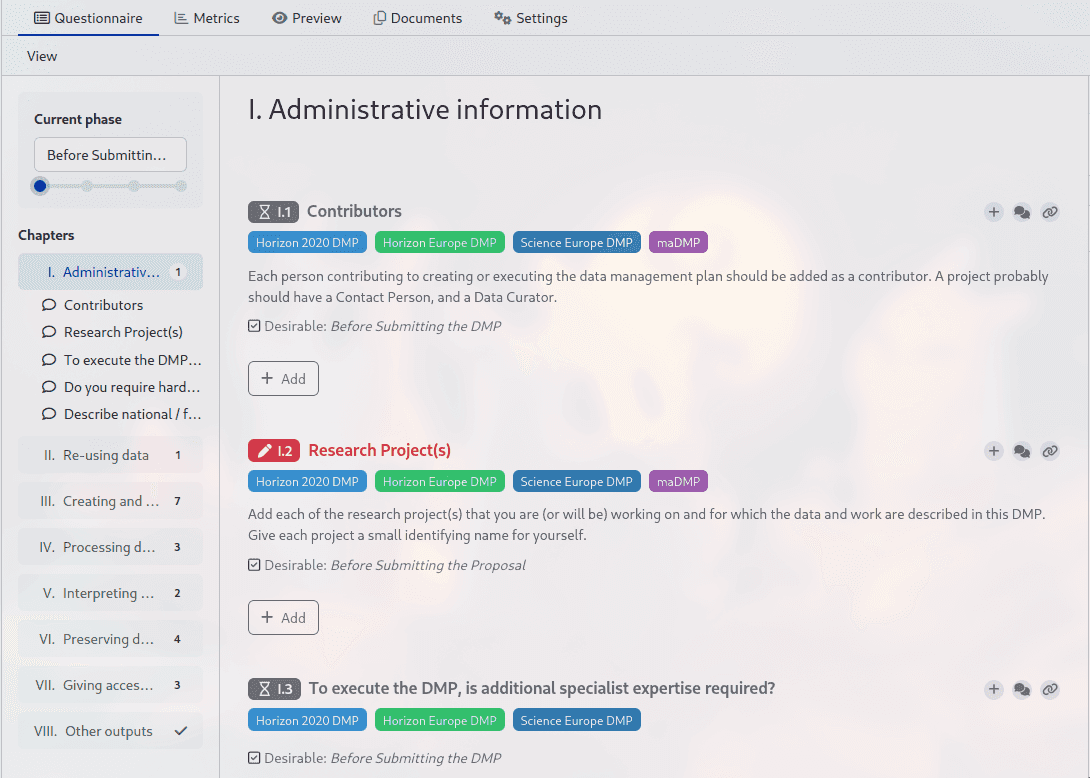
Our first platform for the joint projects is online: the Data Stewardship Wizard guides projects through their data management plan with a questionnaire.
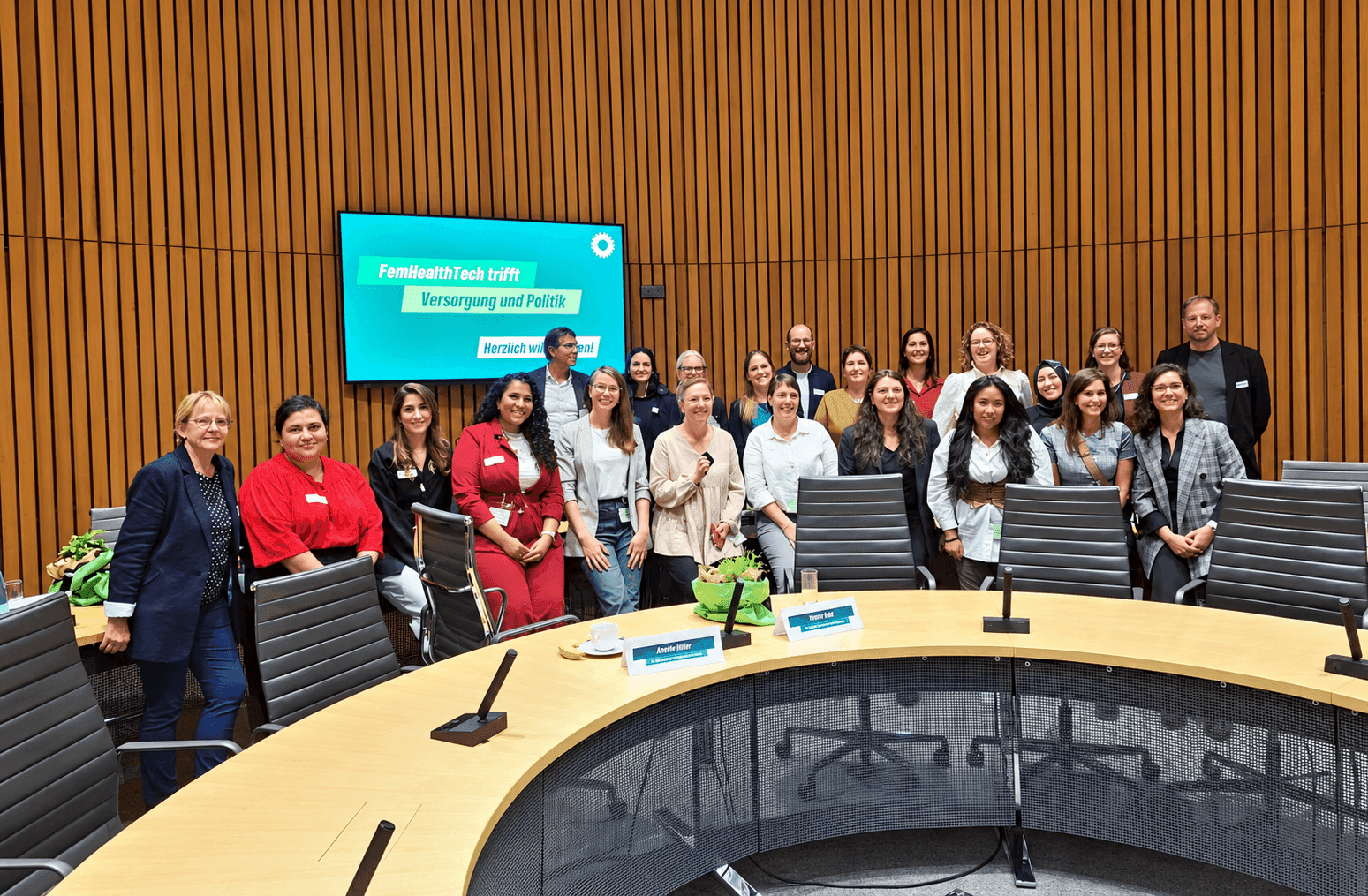
The event series creates space for exchange between science, practice, technology and society, and for the shared question of what equitable healthcare of the future could look like.
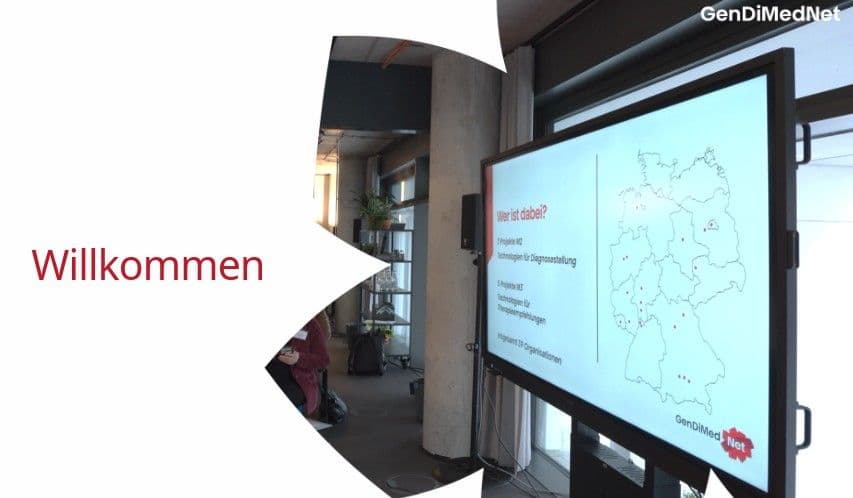
On 25 August 2026, alongside the status quo, the presentations will focus in particular on hurdles and successes of the collaboration as well as in-depth insights into data, data structures and data logic, and regulatory requirements.

You can also find current information directly on our social media channels.