
Skip to content
GenDiMedNet

Good data doesn't start in the lab

How does GenDiMedNet make sure that research data is understandable, comparable and usable in the long term from the very start? Let's take a look...

Data quality begins long before the first analysis.

Data research in dialogue

An inter-institutional team from University Medicine Greifswald, Charité – Universitätsmedizin Berlin and the Berlin Institute of Health at Charité supports M2 and M3 with their research data. We bring together three perspectives: FAIR & data stewardship, standards & interoperability, and gender, sex & diversity. This third perspective is not an optional extra. Every consultation on data structure, formats or documentation goes hand in hand with the question of which sex and gender dimensions are relevant to the respective research question and how they can be captured appropriately. Gender and sex expertise is part of data management from the start, not an afterthought. We do not collect research data and we do not wait for data deliveries. We enter into dialogue with the projects, understand their research questions and data contexts, and develop suitable solutions together with them. The experiences from this dialogue feed into the accompanying research and become methods, recommendations and knowledge from which the entire GenDiMedNet consortium benefits. Three perspectives. One dialogue. Shared solutions.

Tables, charts, large databases, many decisions

When we think of research data, we think of tables, charts and large databases. But before a single number appears in a table, a lot has already been decided: What is measured? How is it measured? What answer options are there? Which categories do we use for gender and sex, and why exactly these? What exactly does a variable mean? Who may use the data later? And can anyone still understand in five years how this data came about? These questions belong to research data management. They are not an administrative duty, they are part of good science. For the eight projects in GenDiMedNet, this means: Pillar 2 accompanies the teams from planning through to the sustainable use of their data, and brings gender and sex expertise into every step, from defining the collection categories to documentation. We do not prescribe a common dataset to the projects. Each project has its own research question, its own methodology, its own requirements. Our aim is to make differences visible and data compatible.

Three perspectives on the same research question

Our strength is bringing together three perspectives that rarely sit in the same team. FAIR & Data Stewardship How can research data be well organised, documented and made usable in the long term? We support data management, the FAIR principles, data stewardship and the question of what information about the data is needed so that it can still be understood and used later. Standards & Interoperability How do different data sources speak a common language? Together with the projects, we review terminologies, data formats and standards, and which solution makes sense and is compatible for their research. Gender, Sex & Diversity How can relevant differences become visible in research data without oversimplifying complex lived realities? We actively advise the projects on which sex, gender and diversity dimensions are relevant to their research and how these can be appropriately captured and described. This advice is embedded in our data management offering, not separate from it. None of these perspectives works in isolation. Good data is FAIR, interoperable and sensitive to the diversity of the people being studied.

Our Data Team

  • Lotte Schwiening

    Lotte Schwiening

    Computational Linguist

    BIH Charité

    How do I implement interoperability standards in existing systems?

  • Paula Böhme

    Paula Böhme

    Psychologist

    Charité

    How do I survey participants inclusively?

  • Dr. Daniele Liprandi

    Dr. Daniele Liprandi

    Data Analyst / Developer

    University Medicine Greifswald

    Which data fields do I need for a solid data analysis?

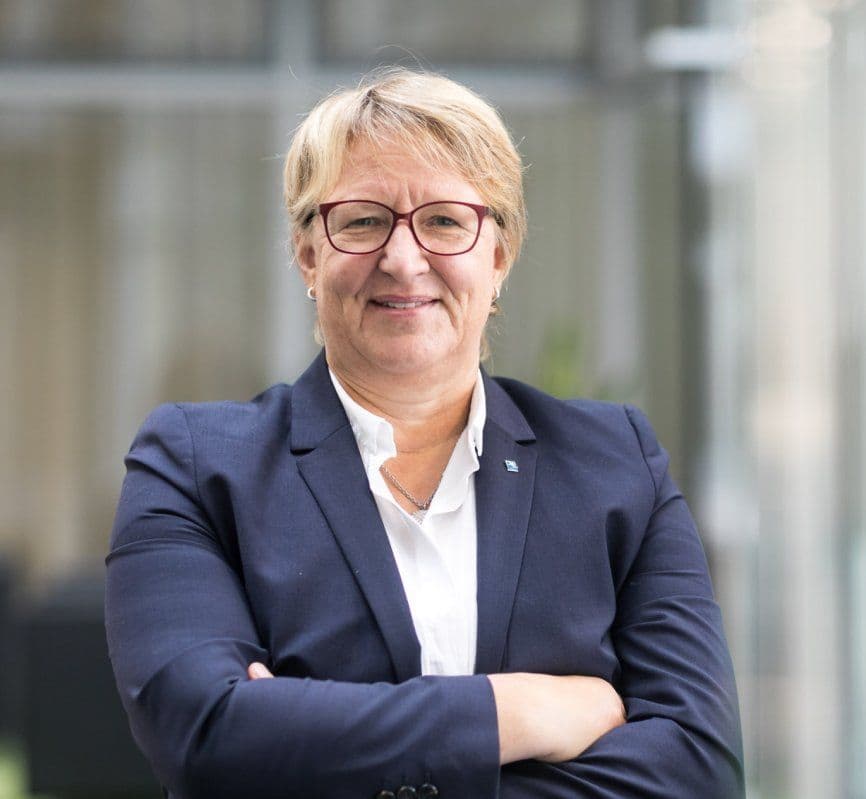
  • Prof. Dr. Sylvia Thun

    Prof. Dr. Sylvia Thun

    Director for Digital Medicine and Interoperability

    BIH Charité

    How can gender-specific research data be used interoperably?

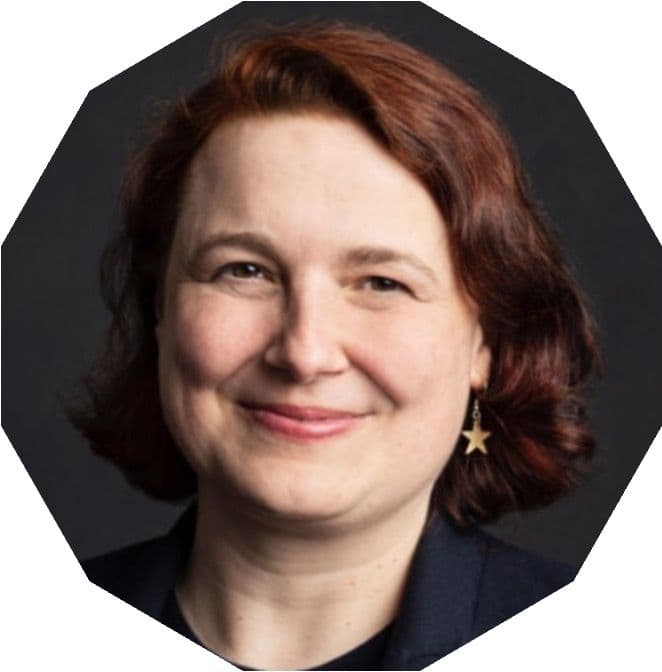
  • Prof. Dr. Gertraud (Turu) Stadler

    Prof. Dr. Gertraud (Turu) Stadler

    Director for Gender Research in Medicine

    Charité

    How do we use and collect gender- and diversity-sensitive data to make health research fairer for everyone?

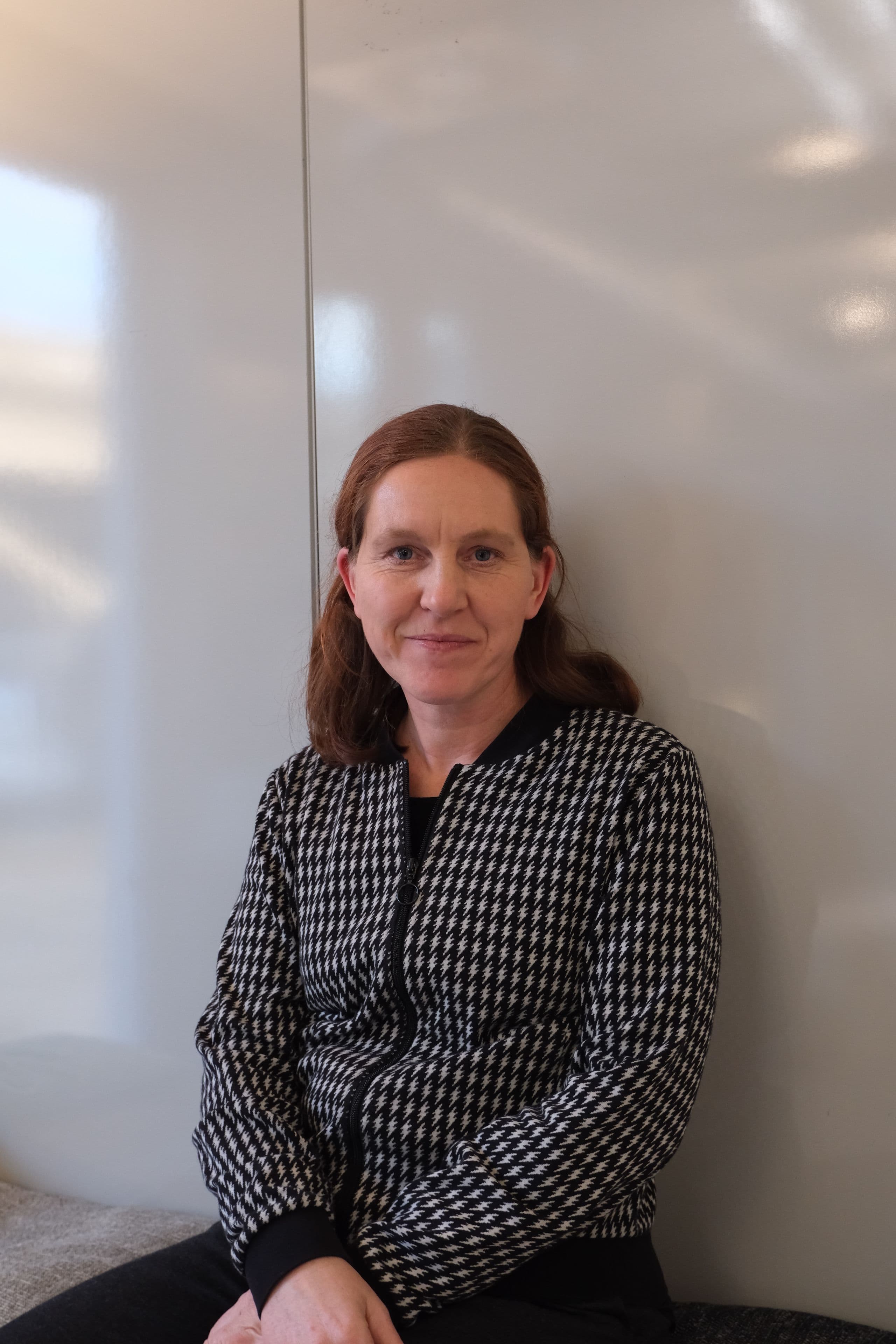
  • Prof. Dr.-Ing. Dagmar Waltemath

    Prof. Dr.-Ing. Dagmar Waltemath

    Professor of Medical Informatics

    University Medicine Greifswald

    How do we demonstrate the benefits of FAIR, gender-related health research data?

Latest from data sciences

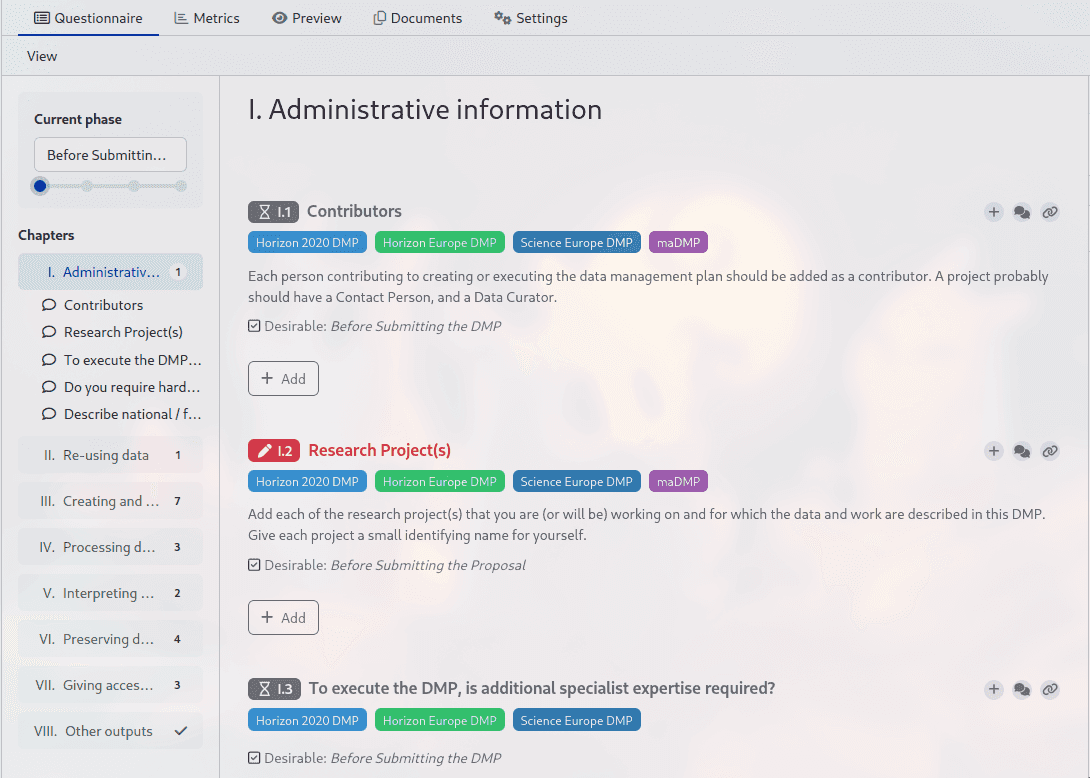
The Data Stewardship Wizard is online

The Data Stewardship Wizard is online

Our first platform for the joint projects is online: the Data Stewardship Wizard guides projects through their data management plan with a questionnaire.

Follow us

You can also find current information directly on our social media channels.